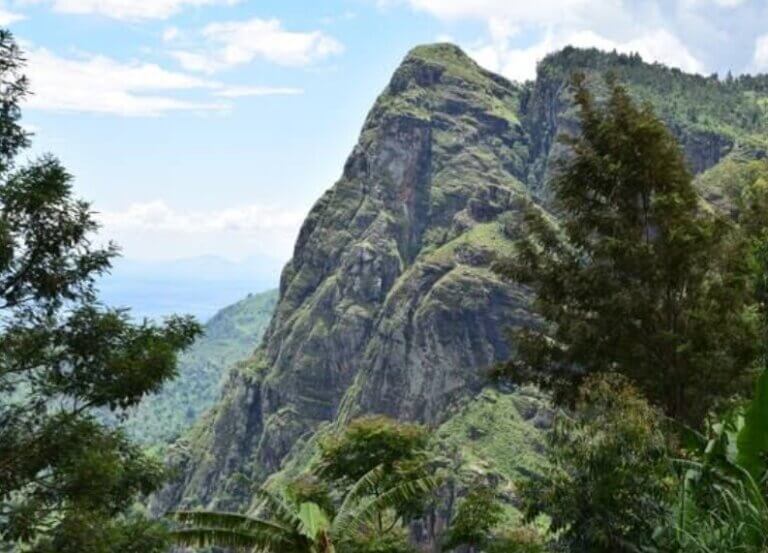
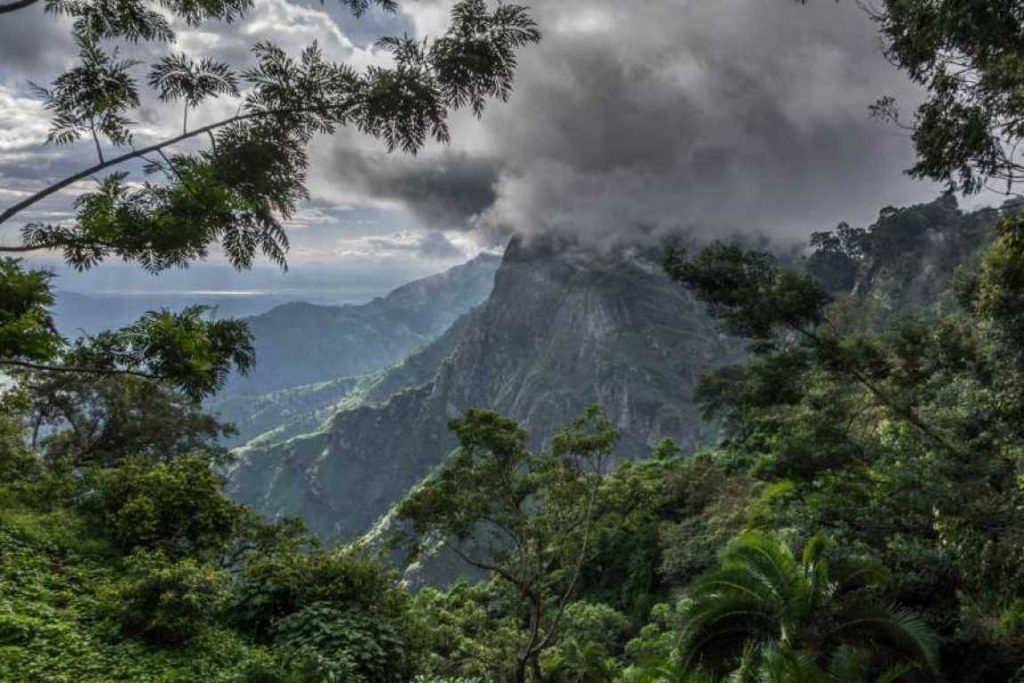
The Usambara Mountains in northeastern Tanzania are a hidden gem of the Eastern Arc chain, celebrated for their breathtaking scenery, rich biodiversity, and cultural charm. They are often described as one of Tanzania’s most enchanting destinations for travelers seeking nature, history, and authentic village life.
🌍 Location & Geography
- Found in the Tanga Region, mainly within Lushoto District, the Usambara Mountains stretch about 90 km long and 45 km wide.
- They are part of the Eastern Arc Mountains, an ancient chain estimated to be 100 million years old, with rocks dating back as far as 600 million years.
- The range is divided into two sub-ranges:
- West Usambaras – higher in elevation, cooler climate.
- East Usambaras – closer to the coast, receiving more rainfall.
🌿 Biodiversity & Ecology
- The mountains are clad in virgin tropical rainforest, making them a center of endemism where unique species thrive.
- They host one of the highest degrees of biodiversity in Africa, with rare plants, birds, reptiles, and butterflies.
- The cooler climate and lush greenery create an ideal environment for hiking, birdwatching, and eco-tourism.
🏞️ Attractions & Activities
- Hiking & Trekking: Trails lead through forests, hills, valleys, and farmlands, offering panoramic views of the surrounding plains.
- Village Visits: Colorful markets, traditional homesteads, and plantations provide cultural immersion.
- Scenic Lookouts: Points like Irente Viewpoint give sweeping vistas over the Maasai plains and Mkomazi National Park.
- Nature Reserves: The Amani Nature Reserve in the East Usambaras is famous for its medicinal plants and birdlife.
🏡 Cultural & Historical Charm
- The Usambaras are dotted with picturesque villages that retain traditional lifestyles.
- German colonial history is still visible in Lushoto town, once a favored retreat for settlers due to its cool climate.
- Local communities are deeply involved in sustainable farming and eco-tourism, making visits both authentic and impactful.
✨ Why Visit?
The Usambara Mountains are often called “Africa’s Galápagos” because of their unique species and ecological isolation. Unlike Tanzania’s more famous safari destinations, they remain undiscovered by mass tourism, offering tranquility, authenticity, and a chance to connect with both nature and local culture.
In short: The Usambara Mountains are a paradise for nature lovers, hikers, and cultural explorers. Their combination of ancient geology, lush biodiversity, and welcoming communities makes them one of Tanzania’s most rewarding destinations.