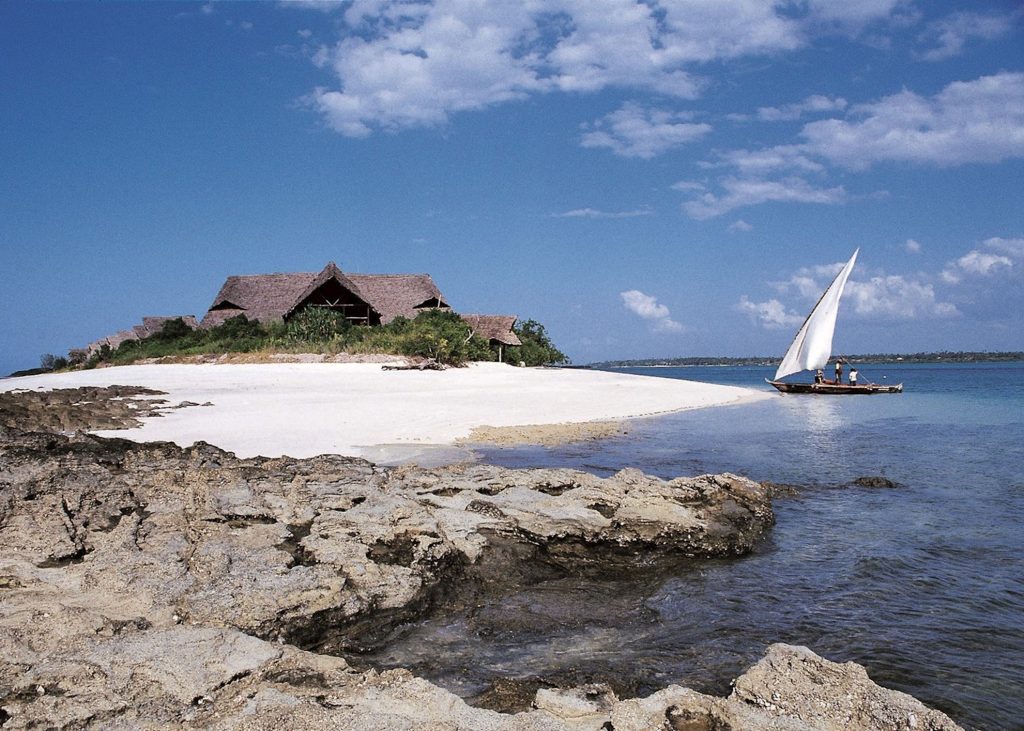
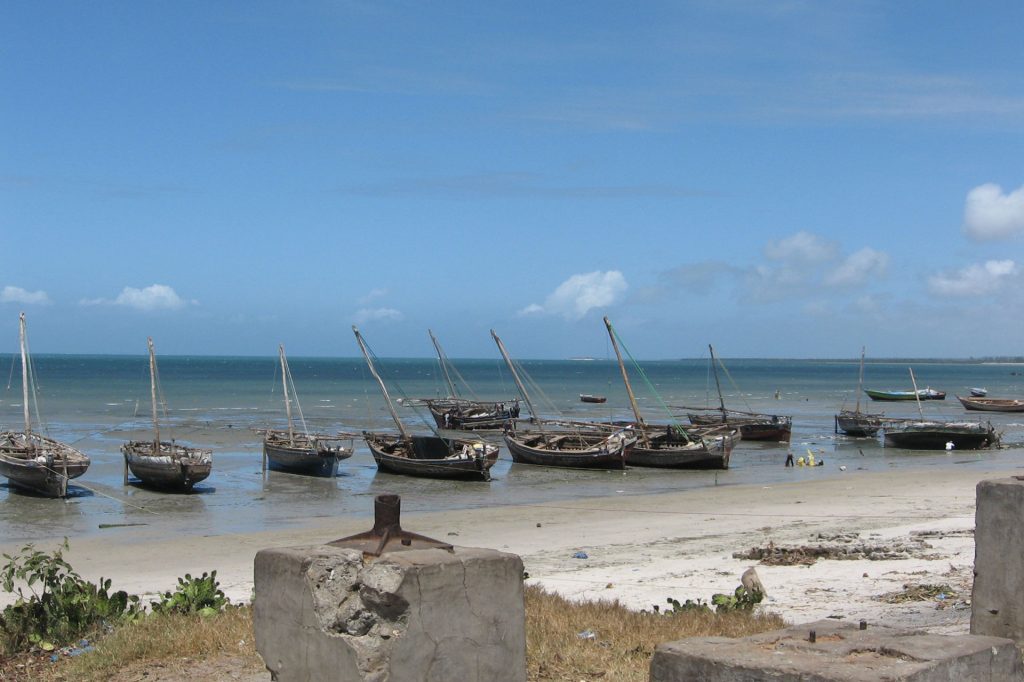
Bagamoyo is a coastal gem of Tanzania, blending centuries of history with cultural charm and seaside tranquility. Once a bustling port and now a UNESCO World Heritage Site, it offers travelers a window into East Africa’s layered past and vibrant present.
🌍 A Town Steeped in History
- Origins: Bagamoyo traces its roots to the 8th-century Swahili settlement of Kaole, later expanding into a thriving town by the late 18th century.
- Name: Its name comes from the Swahili phrase Bwaga-Moyo—“Lay down your heart”—a poignant reminder of the despair felt by captives during the East African slave trade.
- Colonial Era: In the late 19th century, Bagamoyo was chosen as the capital of German East Africa, becoming a hub for trade, religion, and colonial administration.
🏛️ Heritage and Landmarks
Bagamoyo’s streets are lined with relics of its storied past:
- Kaole Ruins: Ancient coral stone mosques and tombs dating back to the 13th century.
- The Old Fort & German Boma: Colonial structures that once housed soldiers and administrators.
- Livingstone Tower: A monument tied to the famous explorer’s journeys.
- Catholic Mission: One of the earliest in East Africa, central to spreading Christianity.
Sources:
🌊 Culture and Atmosphere
- Swahili Coast Influence: Bagamoyo reflects a fusion of African, Arab, and European cultures, visible in its architecture, music, and cuisine.
- Art Scene: Today, it is home to the Bagamoyo College of Arts (Chuo cha Sanaa), nurturing Tanzania’s performing arts and crafts.
- Community Life: Fishing villages, bustling markets, and traditional dhow-building showcase the town’s living heritage.
✨ Why Visit Bagamoyo
- UNESCO World Heritage Site: Recognized for its cultural and historical significance.
- Authentic Experience: Unlike more commercialized destinations, Bagamoyo offers a slower pace, where history and daily life intertwine.
- Gateway to Exploration: Its coastal setting makes it ideal for combining cultural tours with beach relaxation.
Bagamoyo is more than a destination—it’s a story etched in coral stone, whispered through ocean breezes, and carried in the rhythms of Swahili culture. It invites travelers to reflect, connect, and immerse themselves in a place where the past and present meet seamlessly.