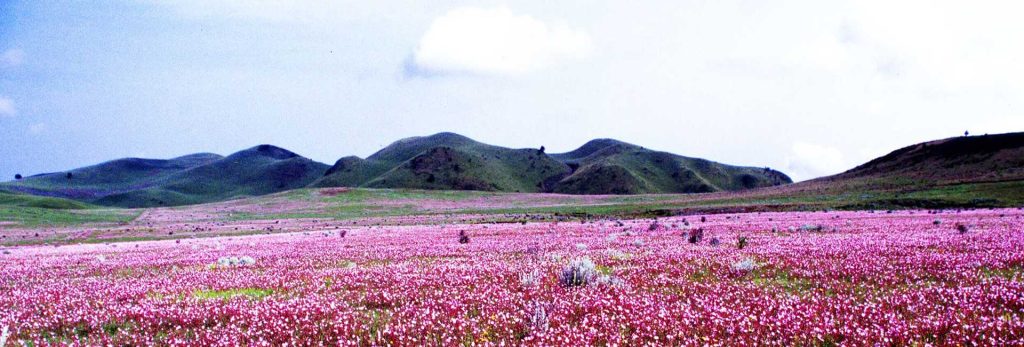
Kitulo National Park is often called “The Garden of God” or the “Serengeti of Flowers”, a rare sanctuary where wildflowers take center stage instead of big game.
 Charming Insight: Unlike most African parks famed for lions or elephants, Kitulo’s magic lies in its floral spectacle. Between November and April, its highland plateau bursts into life with carpets of orchids, daisies, lobelias, and gladioli, creating one of the most breathtaking natural flower displays in the world.
 What Makes Kitulo Special
- Unique Identity: It is Tanzania’s first national park established primarily for the protection of flora rather than fauna.
- Altitude & Location: Sitting at over 2,600 meters above sea level in the Southern Highlands, between the Livingstone and Poroto Mountains, it offers cool, temperate air and sweeping grasslands.
- Botanical Wonderland: More than 350 plant species, including 45 terrestrial orchids, thrive here, many of them endemic and found nowhere else.
- Local Reverence: Known as Bustani ya Mungu (“God’s Garden”), locals see it as a divine masterpiece of color and life.
 Wildlife & Experiences
- While flowers dominate, Kitulo also shelters rare species like the kipunji monkey, discovered in 2003, and diverse birdlife including Denham’s bustard and endangered blue swallow.
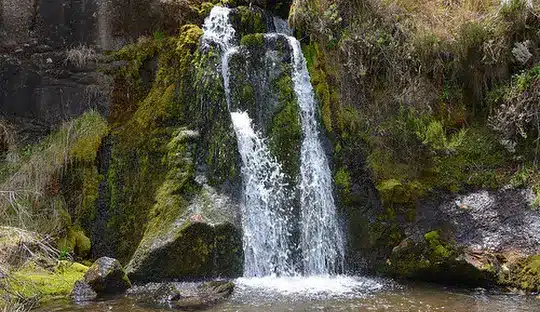
- Visitors can explore Nhumbe Falls (a 100m cascade framed by orchids) and trek through the Livingstone Forest, home to ancient junipers and mountain bamboo.
- The park is also the birthplace of the Great Ruaha River, adding hydrological importance to its ecological charm.
 Why It’s Charming
Kitulo flips the script on what a safari means. Instead of chasing wildlife, you wander through a living tapestry of flowers, waterfalls, and highland forests. It’s a place where silence, color, and altitude combine to create a serene, almost spiritual experience.
Kitulo National Park stands apart from Serengeti and Ngorongoro because it celebrates flowers instead of wildlife. Serengeti is famed for the Great Migration, Ngorongoro for its dense crater wildlife, but Kitulo is Tanzania’s “Garden of God,” a sanctuary where orchids and alpine blooms take center stage.
Serengeti National Park
- Scale & Drama: Covers about 14,750 km², one of Africa’s largest reserves.
- Signature Experience: The Great Migration of wildebeest and zebras across vast savannahs.
- Wildlife: Big cats, elephants, giraffes, and countless species thrive in open plains.
- Atmosphere: Expansive, cinematic landscapes ideal for classic game drives.
 Ngorongoro Conservation Area
- Unique Geography: A volcanic caldera, the Ngorongoro Crater, with steep walls enclosing a compact ecosystem.
- Wildlife Density: Lions, rhinos, elephants, and hippos all concentrated in one dramatic setting.
- Cultural Dimension: Home to Maasai communities, blending human heritage with natural wonder.
- Atmosphere: Intimate, immersive, with wildlife encounters packed into a smaller area.
Kitulo National Park
- Focus on Flora: Established primarily to protect over 350 plant species, including 45 orchids.
- Nickname: Known as the “Serengeti of Flowers” for its breathtaking seasonal carpets of blooms.
- Altitude & Setting: At 2,600m in the Southern Highlands, it offers cool air and sweeping montane grasslands.
- Wildlife: Less about big game, but home to rare species like the kipunji monkey and diverse birdlife.
- Atmosphere: Peaceful, spiritual, and visually enchanting — a botanical safari rather than a wildlife chase.
 The Contrast
- Serengeti: Epic scale, migration spectacle, iconic safari.
- Ngorongoro: Compact, crater-bound, wildlife density plus culture.
- Kitulo: Quiet highland plateau, floral wonderland, rare orchids and alpine plants.
In essence, Serengeti and Ngorongoro are about animal drama, while Kitulo is about botanical beauty. Together, they show Tanzania’s diversity: from roaring lions to whispering orchids.