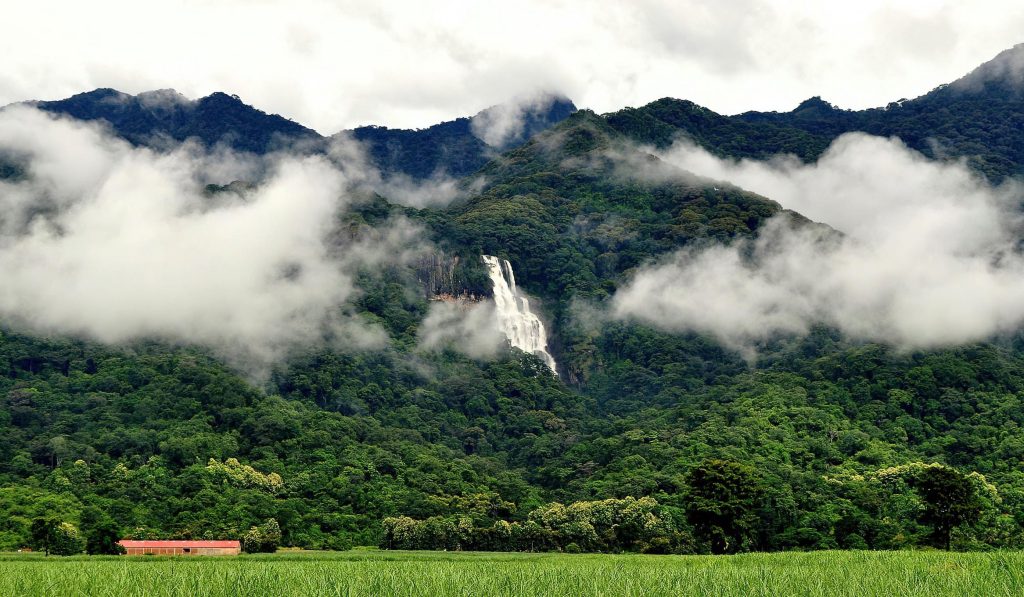
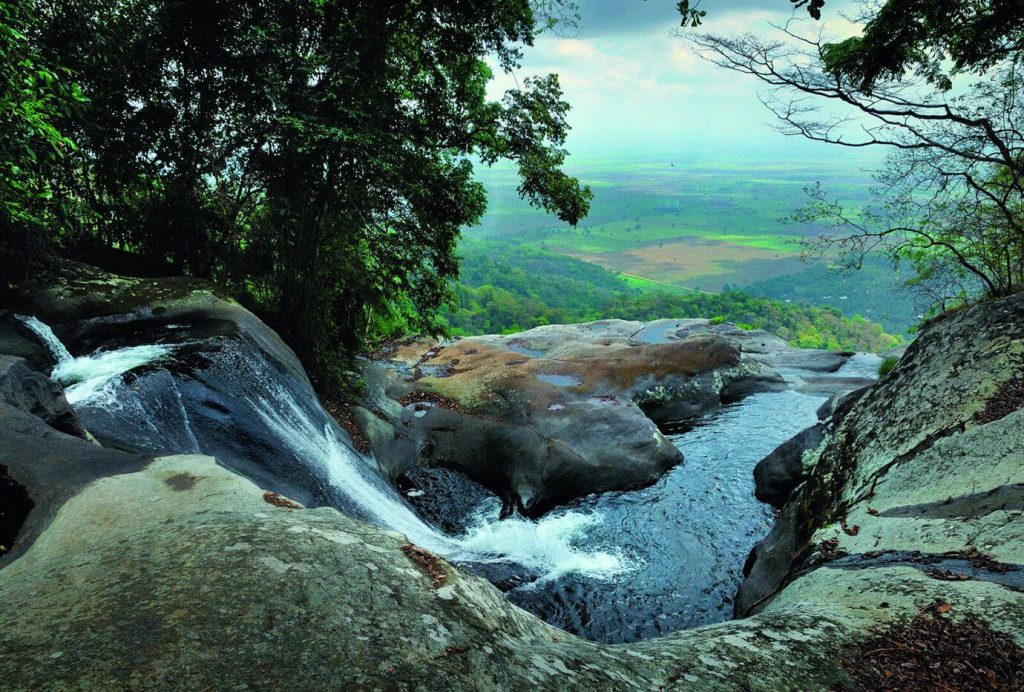
Udzungwa Mountains National Park is one of Tanzania’s most biodiverse and scenic parks, often called the “Galápagos of Africa” for its unique endemic species and lush landscapes. It offers waterfalls, tropical forests, rare primates, and excellent hiking opportunities.
🌍 Location & Size
- Found in Kilolo District (Iringa Region) and Kilombero District (Morogoro Region).
- Covers 1,990 km² (770 sq mi) of mountainous terrain.
- Easily accessed via road from Dar es Salaam or Iringa, with the park headquarters at Mang’ula.
🏞️ Natural Highlights
- Known for Sanje Waterfall, a spectacular 170-meter drop, accessible via a half-day hike.
- Dense tropical forests with closed canopy cover, plus woodland and moorland at higher altitudes.
- Recognized as a biodiversity hotspot, hosting flora and fauna found nowhere else on Earth.
🐒 Wildlife
- Home to rare primates such as the Sanje mangabey and Iringa red colobus monkey.
- Rich birdlife, amphibians, reptiles, and countless plant species.
- Large mammals are less common compared to savannah parks, making it more of a hiker’s paradise than a traditional safari destination.
🚶 Activities
- Hiking & trekking: Multiple trails ranging from short walks to multi-day treks.
- Birdwatching: Over 400 species recorded.
- Cultural visits: Nearby villages offer insights into local life.
🛏️ Accommodation
- Options include public and special campsites (advance booking needed for special camps).
- Lodges and guesthouses available in Mang’ula and surrounding villages.
📅 Best Time to Visit
- Dry season (June–October) is easiest for travel and hiking.
- Park remains open year-round, but trails can be slippery in the rainy season.
Philip, given your interest in community empowerment and sustainable tourism, Udzungwa stands out as a destination where conservation and local communities intersect. Its unique biodiversity and cultural richness make it a model for eco-tourism in East Africa.
Would you like me to compare Udzungwa with other Tanzanian parks—like Mikumi or Ruaha—so you can see how it fits into a broader safari or eco-tourism strategy?